25 Minutes on....Plagues: Lecture Two - ‘The Consequences of the Earliest Outbreaks of Plague in Prehistory’
Ruairidh (‘Rory’) Macleod is a Postdoctoral Research Fellow at All Souls College and teaches palaeogenomics and human evolution at Oxford. His research uses ancient DNA recovered from archaeological remains to trace how humans and their pathogens have co-evolved, particularly from cases of infectious disease in the deep past.
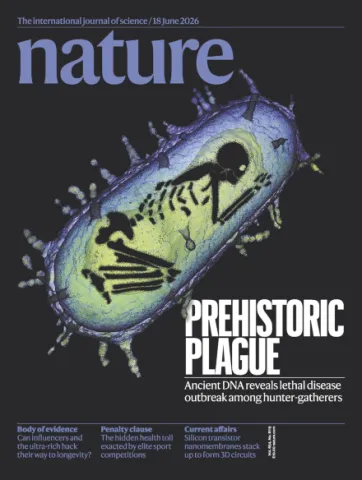
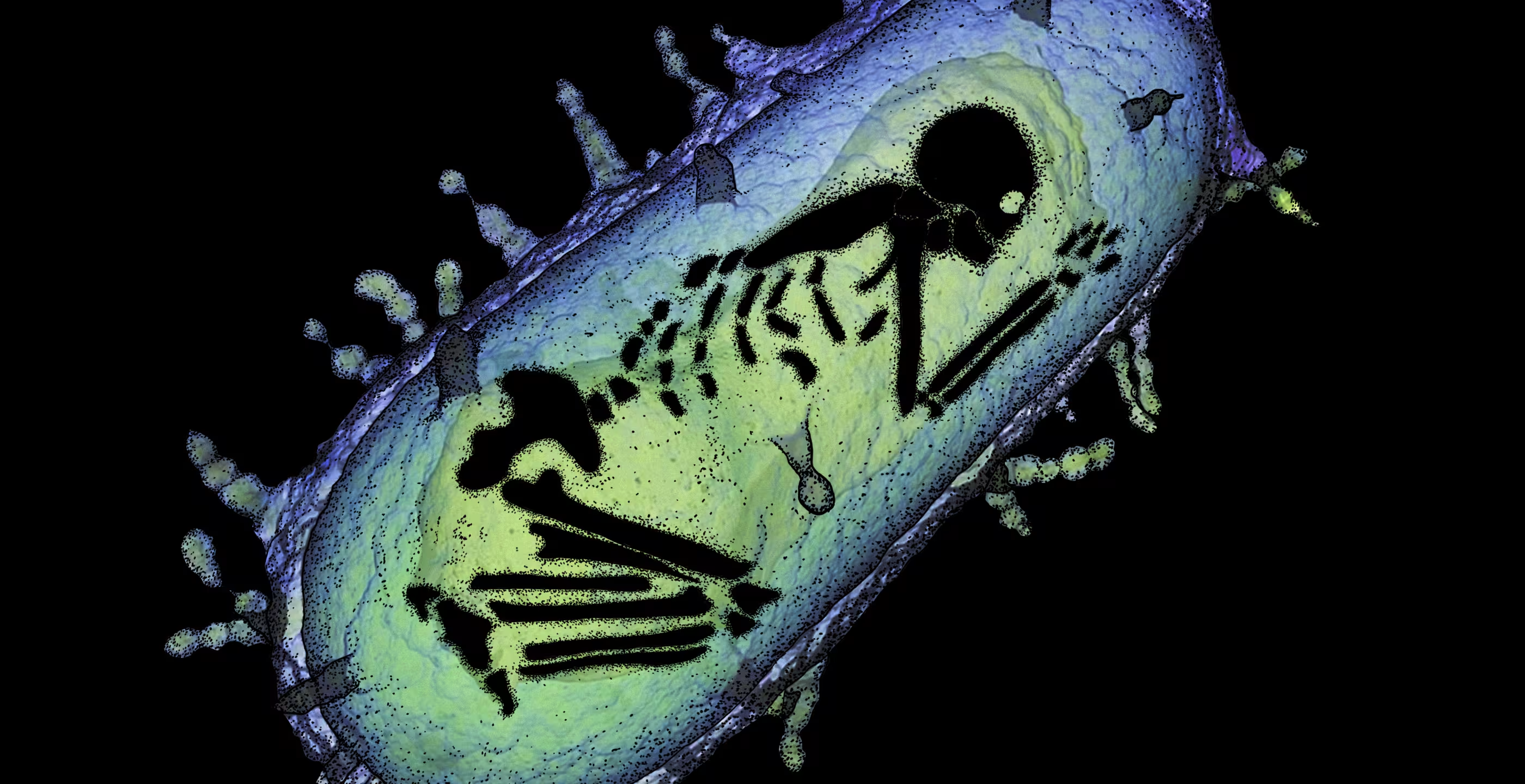
In this talk, he will describe his research on the first known outbreaks of plague, caused by the bacterium Yersinia pestis, among prehistoric hunter-gatherers at Lake Baikal some 5,500 years ago. By reconstructing the kinship of the victims and tracing the bacterium’s evolution, the research shows what followed when the disease crossed from animals to humans, and why mortality fell so heavily on children. Ruairidh’s research on this was published in a paper featured on the cover of the journal Nature and reported on widely.