Dr Ross Anderson
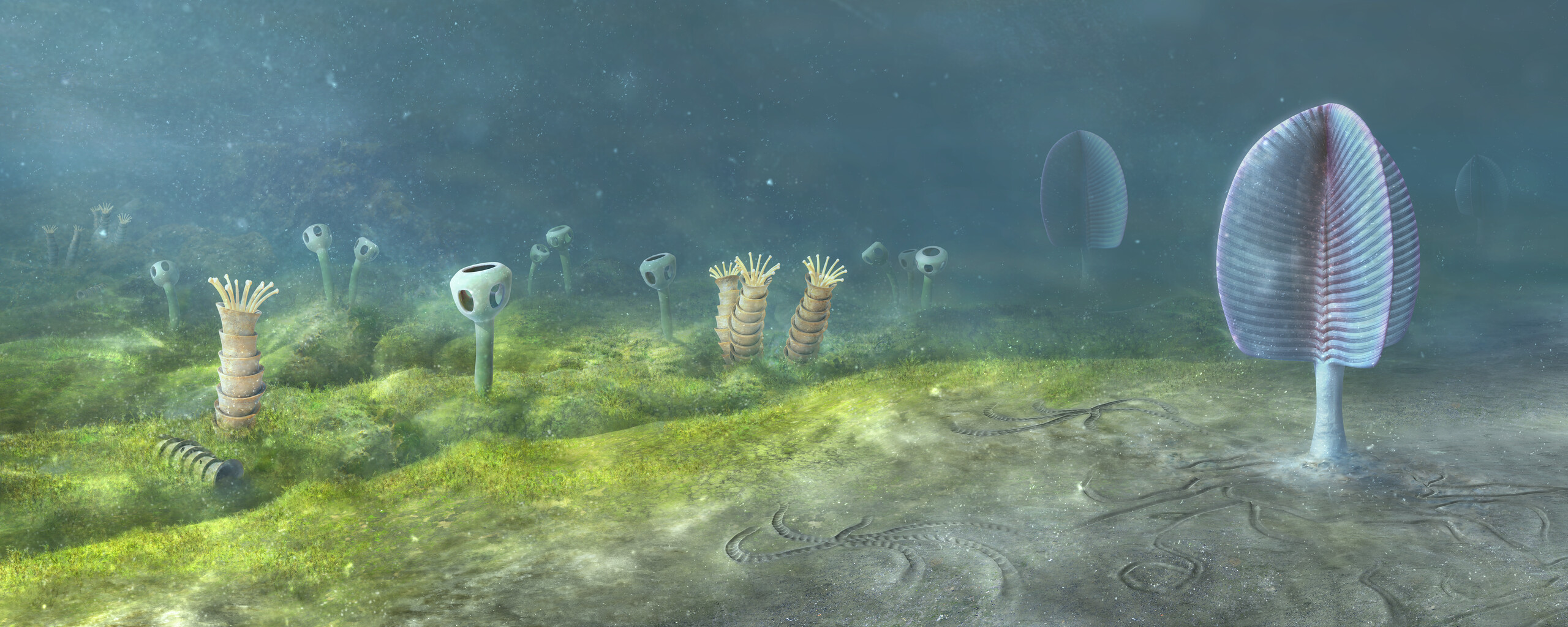
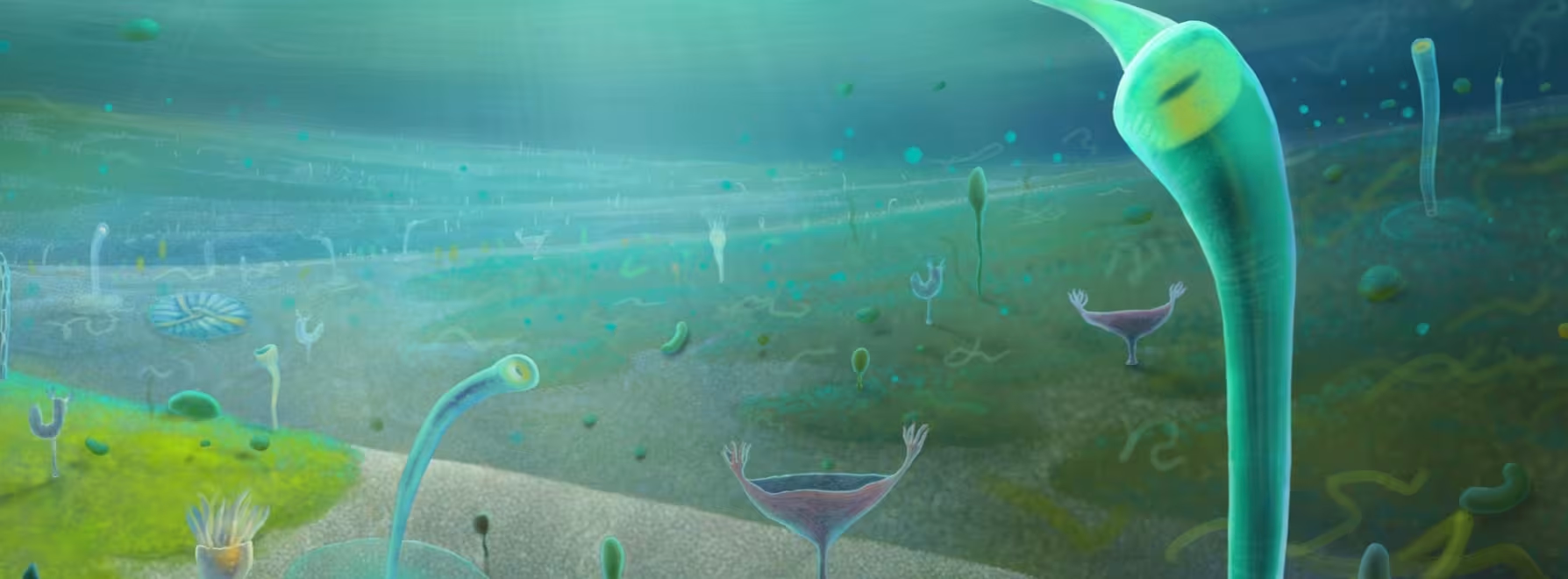
I am Associate Professor of Natural History, Royal Society University Research Fellow, and a Fifty-Pound Fellow at All Souls. I also serve as Head of Research at the University Museum of Natural History. The emergence and diversification of complex life is the most fundamental biological transition in the history of the Earth. My lab uses exceptional fossils to chart the evolution of eukaryotes (those organisms with membrane-bounded organelles), multicellularity, cellular differentiation, and animals, through the Proterozoic Eon (2.5-0.5 billion years ago). Understanding how changing fossil diversity correlates to environmental changes—and the Proterozoic Eon sees some of the largest in Earth history—is vital to determining evolutionary drivers. Not only do we seek new fossils that provide this important palaeobiological information, but we also critically interrogate the nature of the fossil record. My lab uses novel analytical techniques on fossiliferous strata to understand the conditions conducive to cellular preservation, with a specific focus on microbe-mineral interactions. Such research is crucial to our ability to robustly interpret the temporal and ecological range of fossil organisms. It can also provide new insights into their original chemistry and biology.