Broadening perspectives
To a large extent, our awareness of the past is based on broad generalisations. These mean that some of the most original and interesting aspects of history tend to lie outside our general vision. Research often helps to widen our perspectives by complicating the general narrative and going beyond the surface.
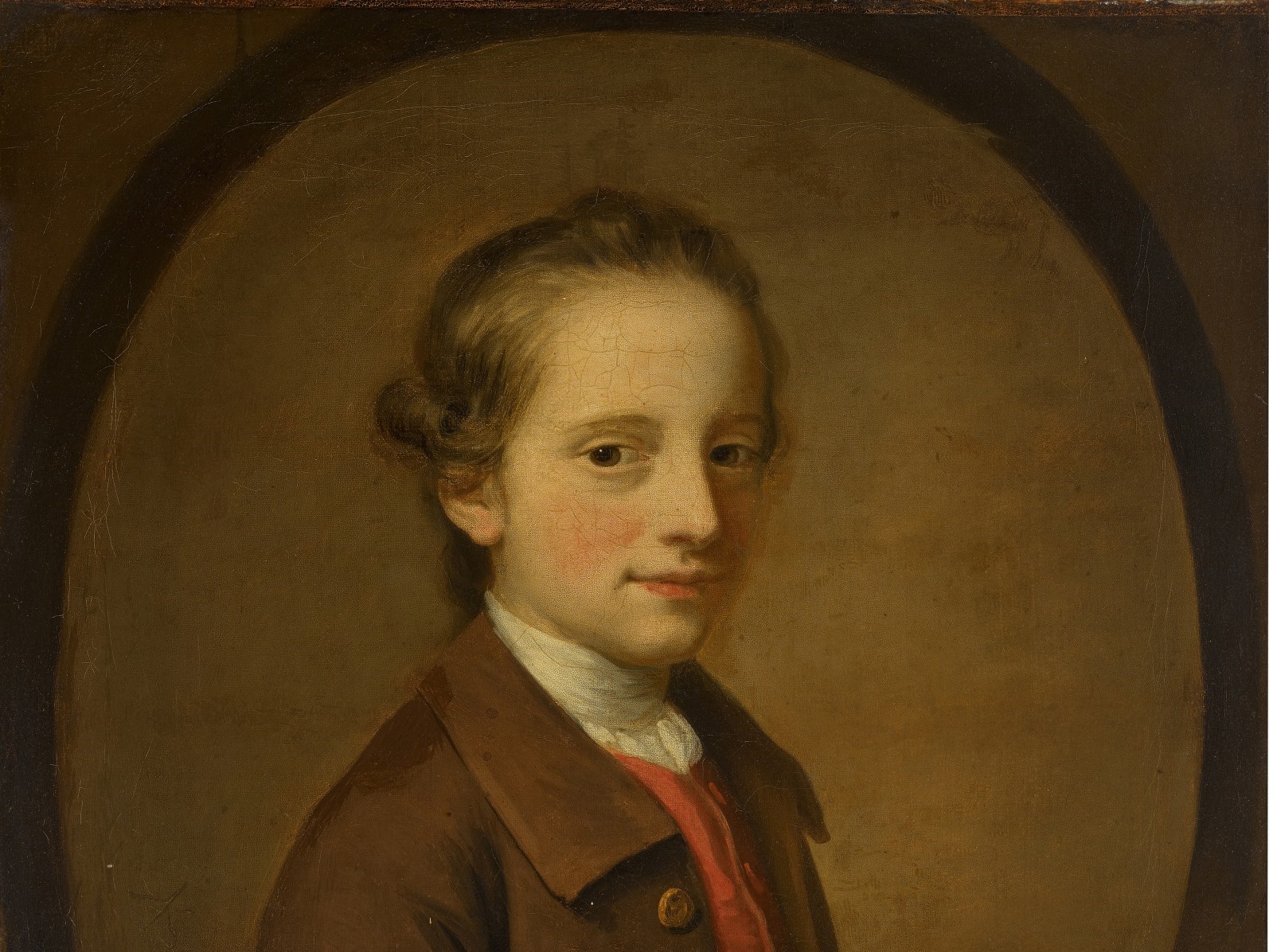
Professor Catriona Seth has long been interested in refining our knowledge of the eighteenth century and our conception of the Enlightenment by looking at both major trends and more unusual cultural expressions. One of her objects of study has been in the news recently. She has investigated the life and work of a woman artist who was famous in her day but completely forgotten for a couple of centuries. Katherine Read (1723-1778) was born into a Jacobite family from Dundee. Paradoxically, the exile of many Stuart supporters who went to live in mainland Europe was probably what allowed Read to pursue her artistic training in Paris and Rome. She subsequently set up a studio in London and was extremely successful particularly at painting women and children in pastels. Read had an important network of family, friends and more distant contacts with whom she kept in touch. We know she wrote in French as well as in English and her letters show her to have been a witty, educated person who developed a personal career strategy, was conscious of the limitations her sex placed on her professional choices and was very supportive of her relatives. She left England in 1777 hoping to make a go of life in India but found the climate impossible to handle. She died onboard ship in 1778 attempting to return to more temperate climes. She left fewer traces in the archives than many male contemporaries and her works are absent from most major museums.
Beyond the reconstitution and study of a specific artistic corpus and its inclusion in exhibitions (like Tate Britain’s 2024 Now You See Us. Women Artists in Britain 1520-1920) for which she wrote catalogue entries, or a recent episode of BBC’s Fake or Fortune, hosted by fellow Oxford Modern Languages graduate Fiona Bruce in which she was interviewed as an expert guest, Catriona Seth is interested in uncovering the career of Katherine Read as an individual who does not fit into most of our stereotypes. Read was a renowned artist neither born nor married into an artistic family; she had an international career and was the leader rather than the follower in all her travels; paradoxically her oeuvre has often been reattributed to (frequently less-talented) male artists.
Read’s case invites us to consider how canon formation works, but also more generally what we can do to be aware of the limits of our information and how we should acknowledge and signpost errors, for instance in attributing a picture to a particular artist.
Catriona Seth has written about this particular question in a recent article which ends by raising the question of an international standard to recognise corrected misattributions: https://britishartjournal.co.uk/whats-in-a-name/
Image: Portrait of Charles Wedderburn by Katherine Read (1723-1778)
