Unshackled? China and the Limits of International Law, 1919–1929
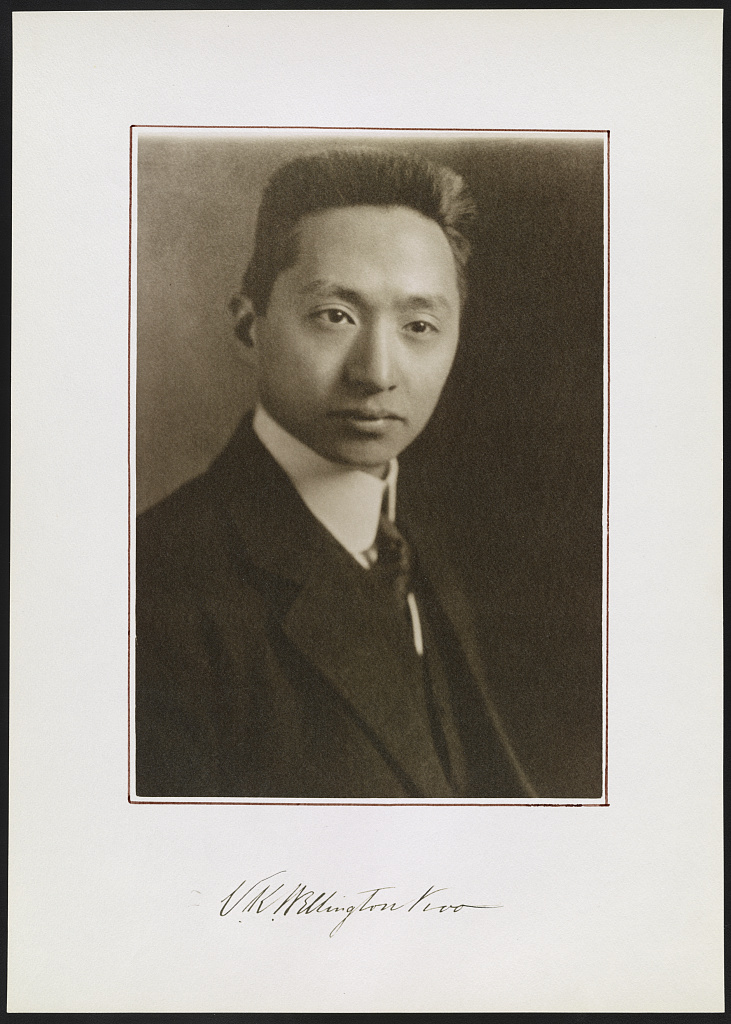
On 9 November 1926, Wellington Koo chaired a committee of lawyers and diplomats in Beijing to confront a problem that none of them could solve. Three days earlier, China had done what no Asian state had done to a European power: it had unilaterally torn up its 1865 treaty with Belgium, on the ground that the world the treaty was written for had ceased to exist. Belgium had retaliated by suing China at the Permanent Court of International Justice in The Hague — the new world court established under the League of Nations. Koo, China's foreign minister, was a Columbia-trained lawyer who had spent years arguing that the world needed precisely such a court, with binding authority over sovereign states; now he had to argue that this court had no authority over China at all. Across the table sat his vice-chair, Wang Chung-hui, the committee's legal mind and a deputy-judge of the very court they were trying to escape. Between them, these two men had done more than almost anyone to bring China into the world of international law. Now they had to find the way out. The law offered none.
Their predicament was not a failure of nerve. The order they were working inside had made it unavoidable. The settlement of 1919 had made China two promises that could not both be honoured. Membership of the League of Nations recognised it as a sovereign equal; the survival of the "unequal treaties" — under which foreigners in China answered not to Chinese courts but to their own consuls, and China could not even set its own customs duties — denied that equality in daily practice. And every instrument the new order offered for closing the gap by peaceful means required the consent of exactly the powers whose privileges were at stake.
How had China's two most accomplished international lawyers come to be trapped by the very law they had mastered?
Koo had been born in Shanghai's International Settlement and trained at Columbia; Wang, born in Hong Kong, had translated the German civil code into English while still in his twenties before taking his seat on the world court. They belonged to a cohort of young Chinese men educated in Japan, America and Europe who came home to join a fast-growing legal profession and an international fraternity that one of its members called the "invisible college of international lawyers." Their wager was that international law could be turned to China's advantage. By speaking it fluently, and passing what the age called the "standard of civilisation" — its test for which peoples counted as full members of the "family of nations" — China could argue its way to equality. They had grounds for hope: the delegation China sent to the Paris Peace Conference in 1919, unlike any before it, was composed largely of lawyers.
The Belgian dispute put the wager to the test. The 1865 treaty let Belgium revise China's tariffs whenever it chose and gave China no matching right — inequality written into the text. When China invoked the doctrine — known to lawyers as rebus sic stantibus — that a treaty lapses once the circumstances behind it have fundamentally changed, Belgium took the matter to The Hague. Koo and Wang disagreed over whether China should appear before the court at all, and it was Wang who settled it. He had first argued that China should refuse to appear and challenge the court's competence; but as a deputy-judge of that very bench, he came to see that defying a court whose authority rested on members' compliance would weaken the international law China was counting on. They agreed China had to appear. It changed little. Every route the committee weighed ran back to the same impasse — the League's assembly could be blocked by the powers China was challenging, the court was unlikely to find in its favour, and the doctrine of changed circumstances came with no procedure to apply it. The court could neither grant China the equality it sought nor honestly refuse it.
This was not Belgian obstinacy or a run of bad luck. Turkey shows the difference. At Lausanne in 1923 it won by force of arms what China spent the whole decade failing to win in law. China's "unequal treaties" were not finally abolished until 1943, and then as a wartime concession from allies who needed China in the war — not as anything the law itself had granted. The order could accommodate force, but it could not honour the principles and strategies it claimed to have made available.

Why it matters
We are arguing again about who really counts as a full member of a "rules-based order," and about the gap between the formal equality of states and the unequal power beneath it. The argument is not new. A century ago it was already being made, by people who believed in international institutions and learned their limits from the inside. They found an order that granted China standing as a formal equal and turned that standing into the very means by which equality's substance was withheld. The old ranking of nations was relocated inside the new institutions and there given legal form, where it grew harder to name and harder to contest. Their question is still ours: who gets to make the rules, and on whose terms.
Unshackled?: China, the 'Unequal Treaties,' and the Limits of International Law, 1919–1929 is available open access in the Journal of Global History.
Lucas Tse is an Examination Fellow at All Souls College.
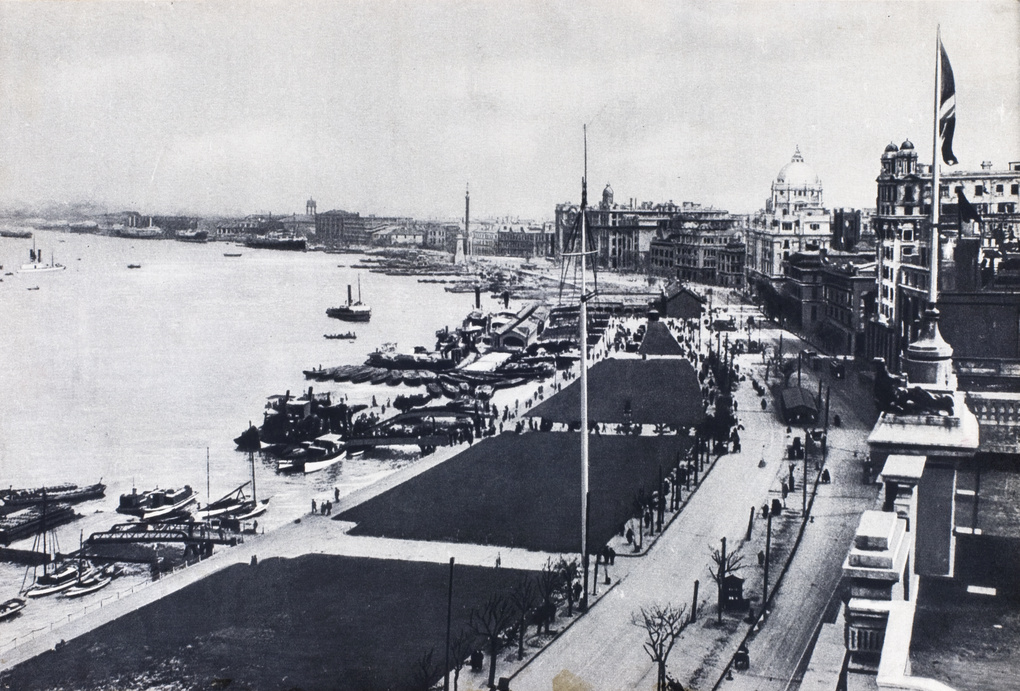
Cover photograph by Canadian Pacific Railway. Image courtesy of Billie Love Historical Collection, University of Bristol Library