'sizes': '(min-width:100px) 384px, (min-width:384px) 640w, (min-width:640px) 750px, (min-width:750px) 828px, (min-width:828px) 1080px, (min-width:1080px) 1200px, (min-width:1200px) 1920px, (min-width:1920px) 2048px, 3840px',
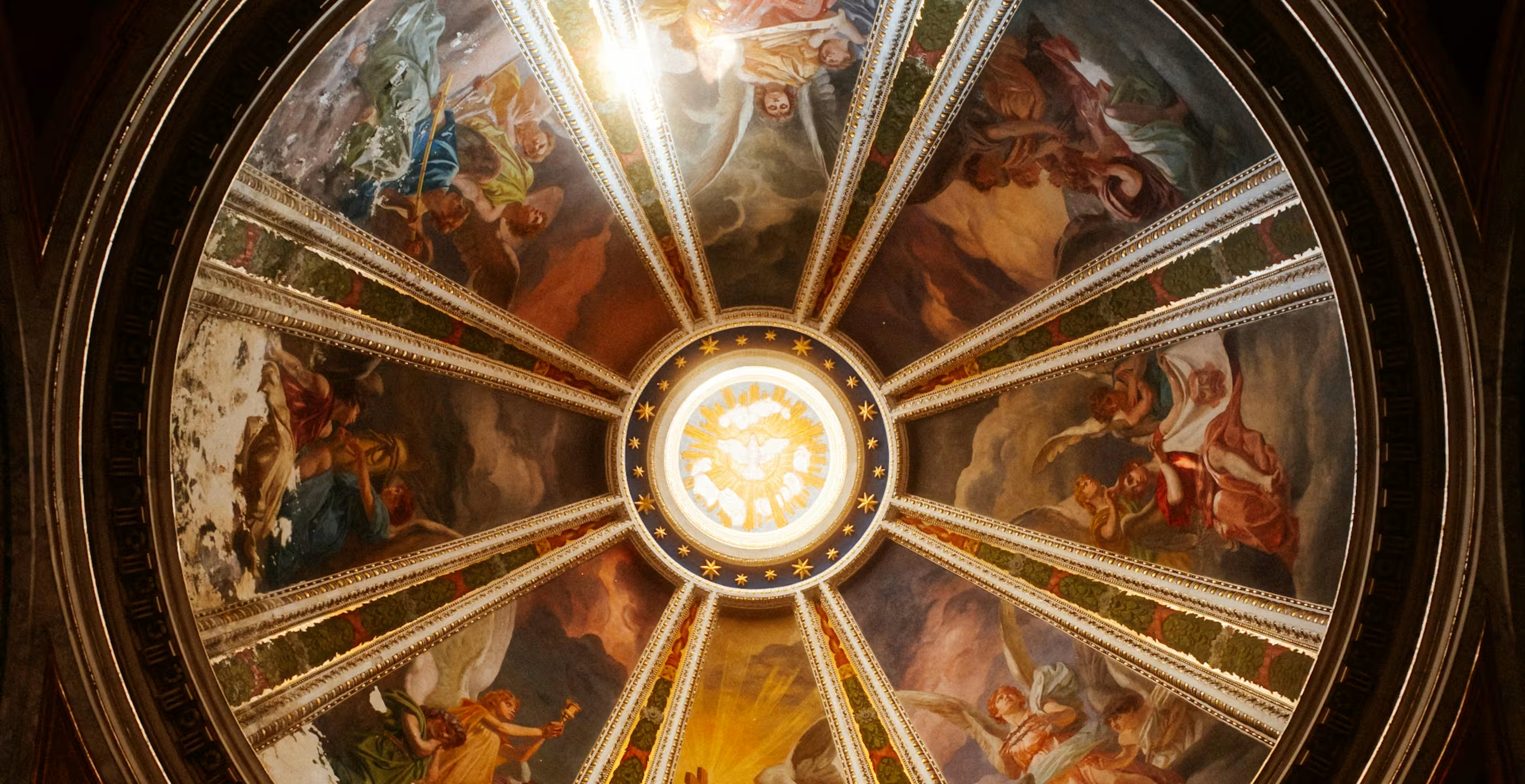
The Carlyle Lectures 2027 | The Art of Governing in Post-Reformation Catholicism: Governing the Past
Location:
South School. Examination Schools
Audience:
General Public
Date / Time:
-
Session 3: The Art of Governing in Post-Reformation Catholicism | Governing the Past
Professor Stefania Tutino (UCLA)
After the Reformation, history became a confessional weapon. But Catholic historians could not simply make the past say what theology required. This lecture examines the relationship between documentary evidence, theological truth, and political pressure in post-Reformation Catholic historiography, and what happened when the past refused to cooperate with the needs of the present.